
Vegetable Gardening

Growing your own vegetables is one of the most rewarding activities a home gardener can pursue. Beyond the obvious benefit of having fresh, chemical-free produce on your table, vegetable gardening provides a meaningful connection to the food you eat, a productive use of outdoor space, and a deeply satisfying seasonal rhythm.
Choosing the Right Location
Most vegetables require a minimum of six hours of direct sunlight per day, with eight or more being ideal for fruiting crops like tomatoes, peppers, and squash. Before you begin digging, spend a few days observing how sunlight moves across your yard. Identify the areas that receive the most consistent sun and plan your vegetable beds accordingly.
Good drainage is equally important. Vegetable roots need oxygen as much as they need water, and soil that stays waterlogged will lead to root rot and poor growth. If your soil drains poorly, raised beds filled with a quality growing mix offer an effective and manageable solution.
Soil Preparation for Vegetables
The key to a productive vegetable garden lies beneath the surface. Begin by removing weeds and breaking up compacted soil to a depth of at least 12 inches. Work in generous amounts of well-aged compost or composted manure — typically 3 to 4 inches across the entire bed — and blend it thoroughly into the existing soil. This single step improves nutrient content, water retention, and drainage simultaneously.
Pro Tip: Test your soil pH before planting. Most vegetables thrive in a pH range of 6.0 to 7.0. A simple soil test kit from your local garden center can reveal whether you need to add lime to raise pH or sulfur to lower it.
Succession Planting for Continuous Harvests
One of the most effective strategies for maximising a vegetable garden is succession planting — sowing small amounts of the same crop every two to three weeks rather than planting everything at once. This approach ensures a steady, ongoing harvest rather than a brief glut followed by nothing. It works particularly well for lettuce, spinach, radishes, bush beans, and cilantro.
Flower Garden Care

A well-designed flower garden brings colour, fragrance, and wildlife habitat to your outdoor space. Whether your preference is for structured formal borders, relaxed cottage-style planting, or wildflower meadows, the fundamental care principles remain consistent.
Understanding Annuals, Perennials, and Biennials
Annual flowers complete their entire life cycle in a single season. They bloom prolifically, often for months at a time, before setting seed and dying. Popular annuals include marigolds, zinnias, petunias, and cosmos. Because they must be replanted each year, annuals represent more ongoing investment but offer great flexibility for changing your colour palette.
Perennial flowers return year after year from the same root system. While they may have a shorter bloom period than annuals, perennials provide long-term structure and value. Reliable perennials include coneflowers, black-eyed Susans, hostas, daylilies, and ornamental grasses. Over time, many perennials can be divided and spread throughout the garden.
Deadheading and Pruning for More Blooms
Deadheading — the removal of spent flowers — prevents plants from directing energy into seed production and instead encourages them to produce additional blooms. For most flowering plants, this simple task extends the blooming period significantly. Use sharp scissors or pruners and remove spent flowers by cutting back to the nearest set of leaves or a lateral bud.
Herb Growing Essentials
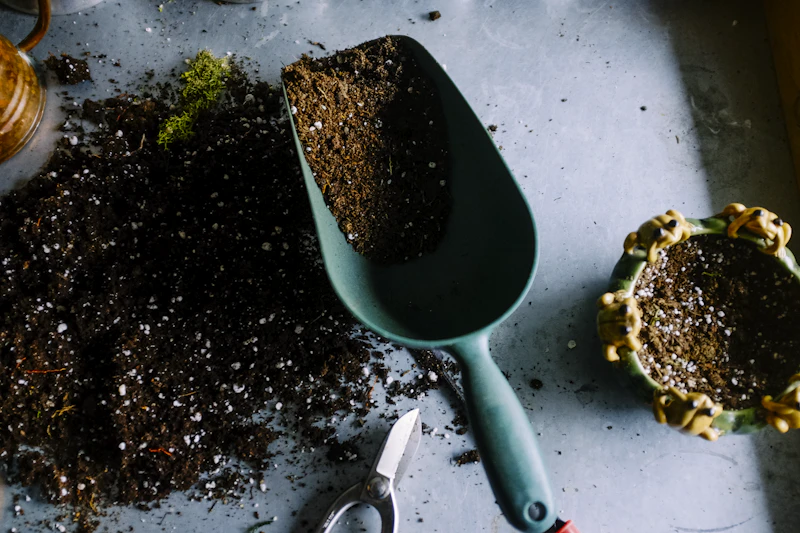
Growing herbs at home gives you access to the freshest possible flavours and cuts down on grocery costs. Most culinary herbs are relatively easy to grow and adapt well to a range of garden sizes, from large raised beds to small windowsill pots.
Mediterranean Herbs: Sun and Good Drainage
Herbs with Mediterranean origins — including rosemary, thyme, sage, oregano, and lavender — have evolved to thrive in hot, dry conditions with very well-drained soil. In the garden, they prefer a sunny spot and soil that is not overly rich. Heavy feeding or waterlogged soil leads to lush but flavourless foliage and increases susceptibility to fungal diseases.
Tender Herbs: Warmth and Moisture
Basil, coriander, parsley, and chives fall into a different category. These herbs prefer consistent moisture, rich soil, and moderate temperatures. Basil in particular is frost-sensitive and must not be planted outdoors until nighttime temperatures are reliably above 50°F. Bringing basil indoors before the first autumn frost extends the harvest by several weeks.
Harvesting Herbs Correctly
The flavour of most herbs is most intense just before they flower, when essential oils are concentrated in the leaves. Harvest by cutting stems back by no more than one-third at any one time. Regular harvesting actually encourages bushier, more productive growth. For best flavour, harvest herbs in the morning after the dew has dried but before the heat of the day has had a chance to volatilise the aromatic oils.
Watering Techniques
Water is essential to plant health, but poor watering practices are responsible for a surprising proportion of garden problems. Both overwatering and underwatering can lead to similar symptoms — wilting, yellowing leaves, poor growth — which means that careful observation and technique are essential.
When and How to Water
Water garden beds in the early morning whenever possible. Morning watering allows foliage to dry quickly, reducing the risk of fungal diseases, and ensures water is available to plants during the warmest part of the day when transpiration rates are highest. Evening watering is acceptable but leaves wet foliage overnight, which can encourage powdery mildew and other fungal issues.
Apply water at soil level rather than overhead. Drip irrigation and soaker hoses deliver water directly to the root zone where it is needed, reduce evaporation losses, and keep foliage dry. When hand-watering, use a watering can with a rose head or a garden hose with a gentle flow setting.
Checking Soil Moisture
Rather than watering on a fixed schedule, check soil moisture before each watering. Push your finger two inches into the soil. If it feels moist, watering can wait. If it feels dry at that depth, it is time to water. This simple habit prevents both overwatering and underwatering and becomes second nature after just a few weeks.
Seasonal Garden Maintenance
Spring Tasks
As the soil warms and days lengthen, spring is the busiest season for gardeners. Key tasks include turning over and amending beds with fresh compost, starting seeds indoors for warm-season crops, dividing overgrown perennials, applying fresh mulch, and gradually hardening off seedlings before transplanting them outdoors.
Summer Care
Summer gardening focuses on maintaining momentum. Water consistently during dry spells, stay on top of weeding before it gets out of hand, deadhead flowering plants regularly, harvest vegetables promptly to encourage continued production, and monitor for pest and disease problems before they escalate.
Autumn Preparation
Autumn is the ideal time to improve your garden's infrastructure for next year. Cut back spent perennials, plant spring-flowering bulbs, collect seeds from favourite annuals, add a thick layer of mulch to protect roots from winter temperature fluctuations, and clean and oil all garden tools before storing them.
Winter Planning
Winter is the perfect season for garden planning. Review notes from the past year, browse seed catalogues, research new varieties you want to try, and sketch out any changes to your garden layout. Many experienced gardeners place their seed orders in January or February to secure the best variety selection before popular cultivars sell out.